
Superintendents of Education
Freedmen’s Bureau Records
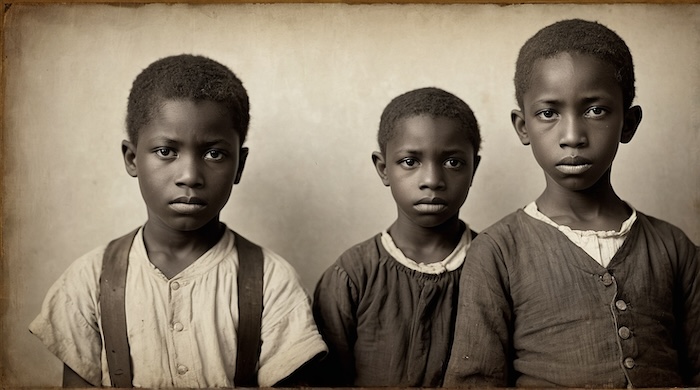
The Superintendents of Education were senior officials within the Freedmen’s Bureau tasked with organizing and overseeing schools for freedpeople during Reconstruction. Their work focused on establishing new schools, hiring teachers, managing funds, and reporting progress to the Bureau’s Commissioner in Washington. These officials acted as the link between national policy and local communities, ensuring that African Americans, many of whom had been denied education under slavery, could finally access literacy and learning.
| Records of the Superintendent of Education and of the Division of Education 1865-1872 - Education Division or State | ||||
| Alabama (M810) | Arkansas (M980) | District of Columbia (M1056) | Education Division (M803) | Georgia (M799) |
| Louisiana (1026) | North Carolina (M844) | Tennessee (M1000) | Texas (822) | Virginia (M1053) |
Challenges Faced by the Superintendents
Despite their accomplishments, the Superintendents of Education encountered enormous resistance. Many white Southerners opposed schools for freedpeople, fearing education would disrupt the racial and economic hierarchy. Teachers were harassed, schools were burned, and freed families often had to guard classrooms at night. Yet, against these odds, thousands of schools opened, a testimony to the determination of freedpeople who pooled money, land, and labor to secure learning for their children.
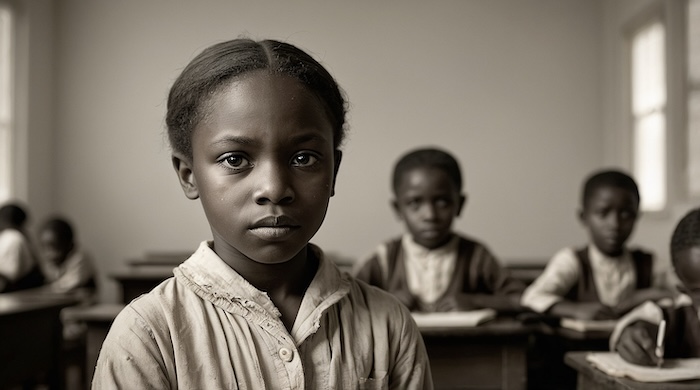
The Role of the Superintendents of Education
Headquarters Records
The Headquarters Records document the central administration of the Freedmen’s Bureau in Washington, D.C. They include telegrams, letters, and official orders issued by the Commissioner’s office, along with annual reports, summaries, and schedules submitted from across the South. While they provide less detail about individuals at the local level, they reveal how the Bureau directed policy, coordinated relief efforts, and shaped its national educational program.
Key microfilm collections include:
These resources provide the national framework behind the local efforts documented in Superintendent and field office records.


Did White Children Attend Freedmen’s Schools?
Although Freedmen’s Bureau schools were created mainly for freedpeople, reports show that some poor white children also attended. In rural areas, these schools were often the only educational institutions available, and Bureau officials sometimes admitted white students when space allowed.
Many white families in the South faced severe poverty after the Civil War, and with no public school system in place, Bureau schools became one of the few options for affordable or free education. This was especially true in Appalachia and parts of the Upper South, where Bureau schools sometimes operated “mixed” schools or provided separate classes for white students.
Community reactions were divided. Some poor white families accepted the opportunity, but many resisted integration, even refusing free education rather than send their children to what they called “Negro schools.” True integration was rare, yet where it did occur, it revealed the shared need for education in a war-torn South, showing how the Bureau’s work sometimes extended beyond its original mission.